What attendees don’t see: The risk management behind every seamless event
Nobody remembers flawless production. Everyone remembers when it goes wrong.
A microphone cuts out during a keynote. A presentation won’t load. A livestream drops out halfway through a critical session.
These are the moments delegates remember long after an event ends.
Yet despite the impact production can have on the success of a conference, it is often viewed as a cost to be managed rather than a risk to be mitigated.
The reality is that professional production is about far more than screens, microphones and lighting. It’s one of the most important safeguards protecting the delegate experience – and one of the most overlooked.
The things that matter most are often invisible
When a conference runs seamlessly, attendees don’t think about production. They focus on the ideas being shared, the people they’re meeting and the experience itself.
What they don’t see are the weeks and months of planning behind the scenes.
Presentations have been collected and reviewed. Speakers have been briefed. Rehearsals have been conducted. Contingency plans have been developed. Venues, suppliers and event teams have been aligned.
“The best production is often the production nobody notices,” says Karen Sainsbury, Director of Cornerstone Events. “When everything is working as it should, delegates stay focused on the content and the experience rather than the technology behind it.”
That’s exactly how it should be.
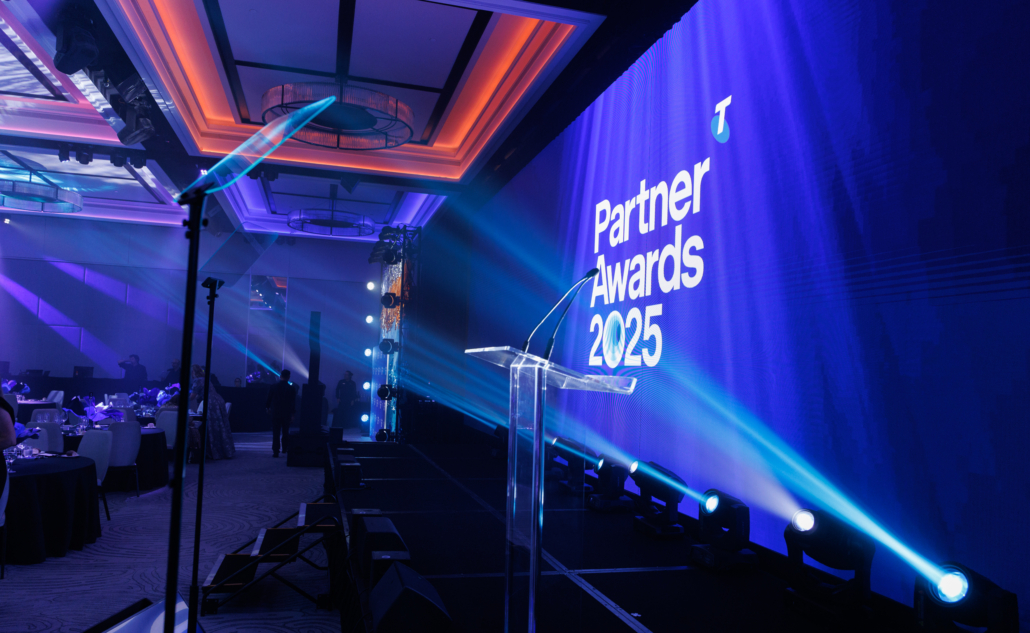
Most event issues start long before event day.
One of the biggest misconceptions about production is that failures are usually technical.
In reality, many issues stem from poor planning, unclear communication or a lack of coordination between stakeholders.
A speaker wasn’t properly briefed. Presentation requirements weren’t communicated. A venue and supplier weren’t aligned. No contingency plan was in place.
What appears to be a production problem on event day is often a planning problem that started weeks earlier.
This is where the role of an experienced Professional Conference Organiser becomes critical.
At Cornerstone Events, production isn’t simply about engaging an AV supplier. It’s about identifying risks early, selecting the right partners and ensuring every stakeholder is working towards the same outcome.
“Most conference issues don’t happen because someone forgot a cable,” says Karen. “They happen because stakeholders weren’t aligned. Our role is bringing together clients, speakers, venues and suppliers so the delegate experience feels effortless from start to finish.”
Why supplier selection matters.
Not all suppliers are created equal.
While many organisations compare proposals based on price, the real difference often lies in experience, preparation and the ability to respond when the unexpected happens.
A quality supplier doesn’t just provide equipment. They provide expertise, contingency planning and confidence.
That’s why a key part of Cornerstone Events role is carefully vetting suppliers and building long-term relationships with trusted partners who consistently perform under pressure.
“One of the biggest risks for conference organisers is assuming all suppliers deliver the same outcome,” says Karen. “Much of our role is ensuring clients are partnered with suppliers we trust because we’ve seen how they perform in real event environments.”
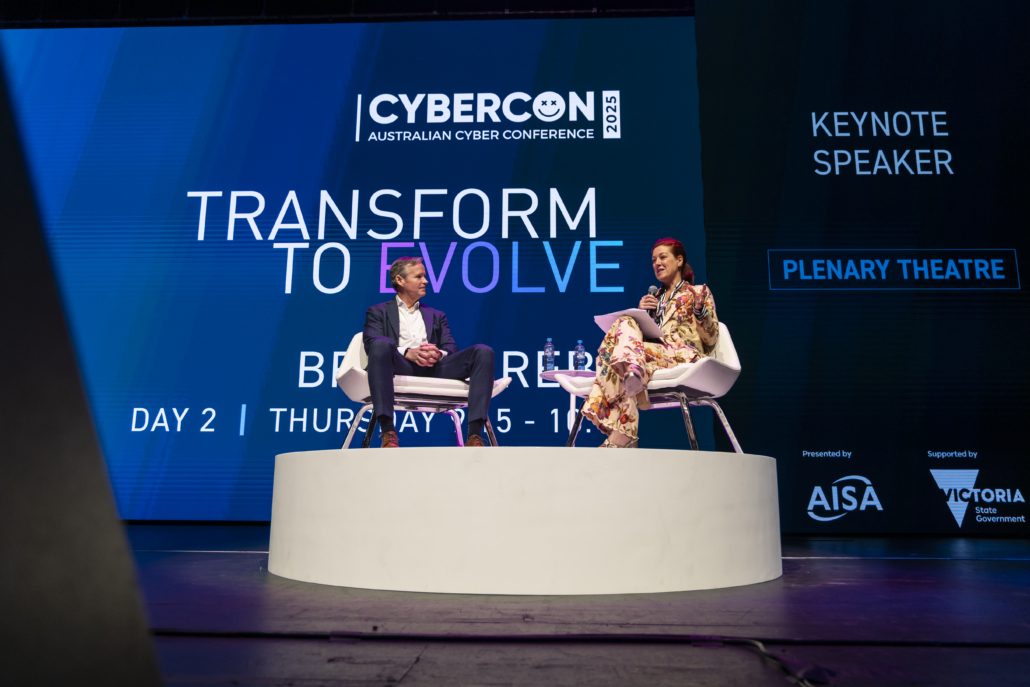
Great events don’t happen by chance.
Successful conferences aren’t the result of good luck.
They’re the result of hundreds of decisions made long before event day – selecting the right suppliers, identifying potential risks, aligning stakeholders and putting contingency plans in place.
It’s work attendees rarely see, but it has a direct impact on what they experience.
“Our clients see the event itself,” says Karen. “What they don’t always see is the work happening behind the scenes to remove risk, manage complexity and protect the attendee experience. That’s often where the real value of a PCO lies.”
Production is risk management.
Every conference represents a significant investment in content, speakers, sponsorship, venues and delegate engagement.
Production is the thread that connects all of those elements together.
When it’s done well, nobody notices. When it’s not, everything else can be overshadowed.
That’s why Cornerstone Events views production differently.
Not as a supplier category. Not as a line item. But as a critical component of event risk management.
“It’s not simply a budget item,” says Karen. “It’s one of the key investments protecting the success of the event.”
The bottom line.
The most successful conferences aren’t necessarily the ones with the biggest stage, the most impressive technology or the largest budget.
They’re the ones where everything simply works.
Behind those events are experienced teams identifying risks, vetting suppliers, coordinating stakeholders and solving problems before attendees ever know they existed.
Because while nobody remembers flawless production, everyone remembers when it fails.
At Cornerstone Events, we believe great events aren’t defined by what attendees see. They’re defined by everything that could have gone wrong but didn’t.
Protect your event before event day.
The most successful conferences aren’t the ones that avoid every challenge. They’re the ones where potential issues are identified, planned for and resolved before delegates ever notice.
At Cornerstone Events, we work with clients to reduce risk, align stakeholders, vet trusted suppliers and create robust event delivery plans that protect the attendee experience from start to finish.
Planning a conference or event? Contact us to talk about how a proactive approach to production and event management can help safeguard your investment and deliver a seamless experience for your delegates.