Why the Most Powerful Events Are Designed for Impact, Not Experience
The power of events
When events are done well, they are one of the most powerful tools an organisation has to influence behaviour, accelerate strategy and drive commercial outcomes.
The challenge? Too many events still prioritise experience over impact. They look good, feel good, and are remembered fondly – but six weeks later, the business effect is unclear.
The most successful events are different. They are intentionally designed from the inside out, with clear outcomes, a deep understanding of the audience, and an agenda that works hard for the business.
Here are seven ways to move your event from a “nice experience” to a strategic lever, aligning agenda, audience and outcomes to harness the true power of your event.
1. Start with the business outcome – not the runsheet
The first question to ask is no longer “What will the day look like?”
It’s “What needs to be different because this event happened?”
Is the goal to:
- Accelerate sales momentum?
- Shift leadership behaviour?
- Build trust with key stakeholders?
- Align teams around a new strategy?
- Reward and recognise top performers or customers?
When outcomes are clearly defined upfront, every agenda decision becomes intentional – from speaker selection to session length. This is where an experienced event partner adds real value: challenging assumptions and designing backwards from impact, not convenience. A clear objective should guide every decision.
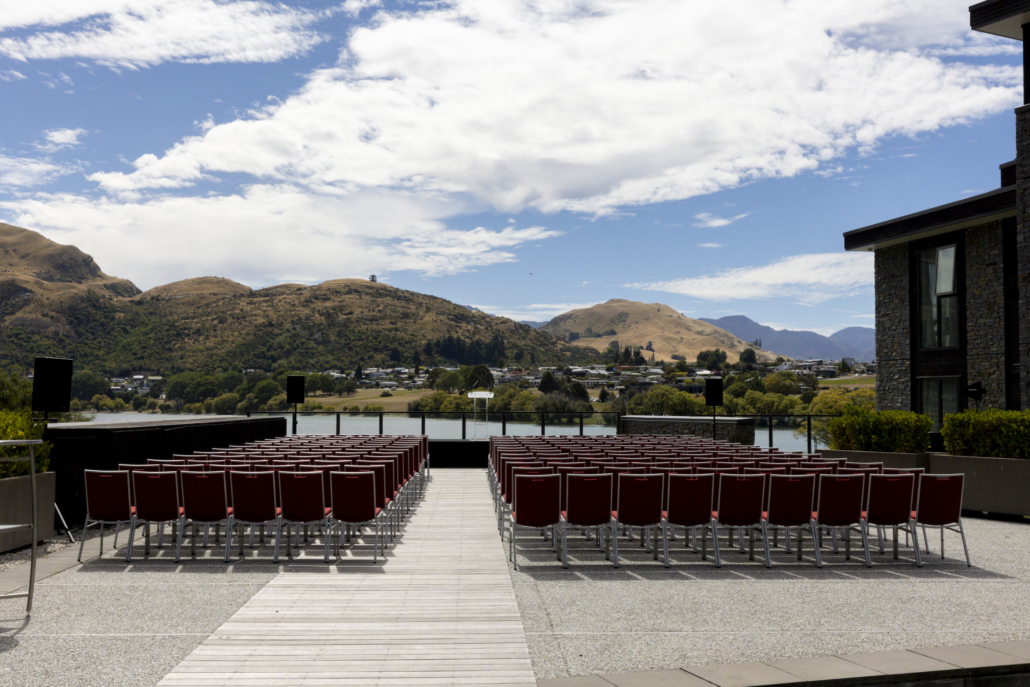
2. Treat the audience as strategic stakeholders – not attendees.
Too often, audiences are defined by job title or seniority alone. But real commercial impact comes from understanding:
- What keeps this audience up at night
- The pressures they are under
- The decisions they will influence after the event
The best events feel designed for me, not delivered to me. That level of relevance doesn’t happen by accident. It requires insight, empathy and a structured discovery process that goes well beyond registration data. Intentional agendas and experiences stand out and are remembered for the right reasons.
3. Design the event to influence behaviour, not fill time.
A packed agenda is not a productive agenda.
High‑impact events deliberately balance:
- Insight – what people need to know
- Interaction – what they need to process
- Application – what they need to do differently
Strong event partners move beyond standard conference formats and focus on flow, ensuring energy, content and pacing actively support the desired outcome, rather than undermine it.
4. Make engagement the means, not the end.
Engagement tools such as live polling, Q&A and breakout sessions are only valuable if they serve a purpose.
Ask the hard questions:
- What insight will this interaction generate?
- What conversation do we want people to continue after they leave the room?
When engagement is aligned to outcomes, it becomes a strategic asset, surfacing insight, building consensus and creating momentum that extends well beyond the event itself.
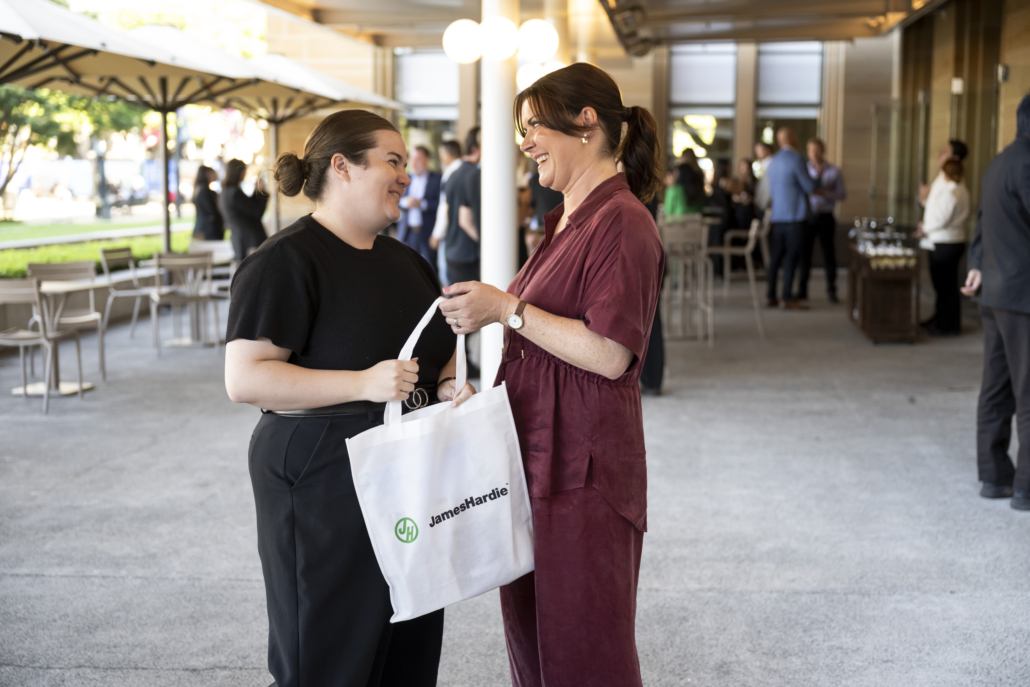
5. Ensure brand, content and experience all tell the same story.
One of the quickest ways to dilute impact is misalignment between:
- What the brand promises
- What the agenda delivers
- What the experience feels like on the ground
From venue selection to speaker tone to visual design, coherence matters. The strongest events feel intentional, as though every detail reinforces the same narrative. This is where a seasoned event management partner earns their keep: protecting message integrity while managing the thousands of details that shape perception.
6. Design for what happens after the event, not just on the day.
Commercial impact rarely happens during the closing keynote.
It happens:
- In follow‑up conversations
- In changed behaviours
- In decisions made weeks later
High‑performing events are designed with this in mind, capturing insight, enabling post‑event communication, and equipping leaders with tangible assets to continue the conversation internally. Go into your event with follow‑up moments already scheduled. If the event ends when the lights go down, the opportunity has been missed.
7. Measure what happens, then apply it forward.
Finally, look beyond satisfaction scores. Experience matters, but so does:
- Strategic alignment
- Quality of engagement
- Clarity of next steps
- Stakeholder confidence
The most valuable event partners don’t just deliver a post‑event report. They help interpret what it means and apply those insights to the next decision, the next event, and the broader business strategy.
8. The shift that matters most.
The shift from “nice experience” to commercial impact isn’t about spending more or doing more. It’s about intentional alignment – between agenda, audience and outcomes – and working with partners who understand that events aren’t just moments in time, but powerful levers for business performance.
When engaging an event management company like Cornerstone Events, don’t look for logistics alone. Look for strategic thinking, constructive challenge, and a shared commitment to outcomes that matter long after the name badges come off.
Want an ROI ready event plan?
Partner with Cornerstone Events and transform your vision into reality.
Contact us today to discuss how we can help you deliver an unforgettable experience that drives results.
Cornerstone Events is a leading Australian event management company, recognised for delivering strategically aligned, high-quality events that consistently exceed client expectations. For more than 16 years, we have partnered with government agencies, not-for-profit organisations, research institutions, and corporate clients to design and deliver impactful events that drive outcomes, strengthen engagement, and create meaningful experiences.
As a full-service event management company, we bring together strategic leadership, operational excellence, and a depth of experience that enables us to manage complex programs with confidence and precision. Our commitment to integrity, transparency, and exceptional service underpins every event we deliver.